30 Mar 2026
Switzerland vs Germany for International Students in 2026
Which One Should You Choose?
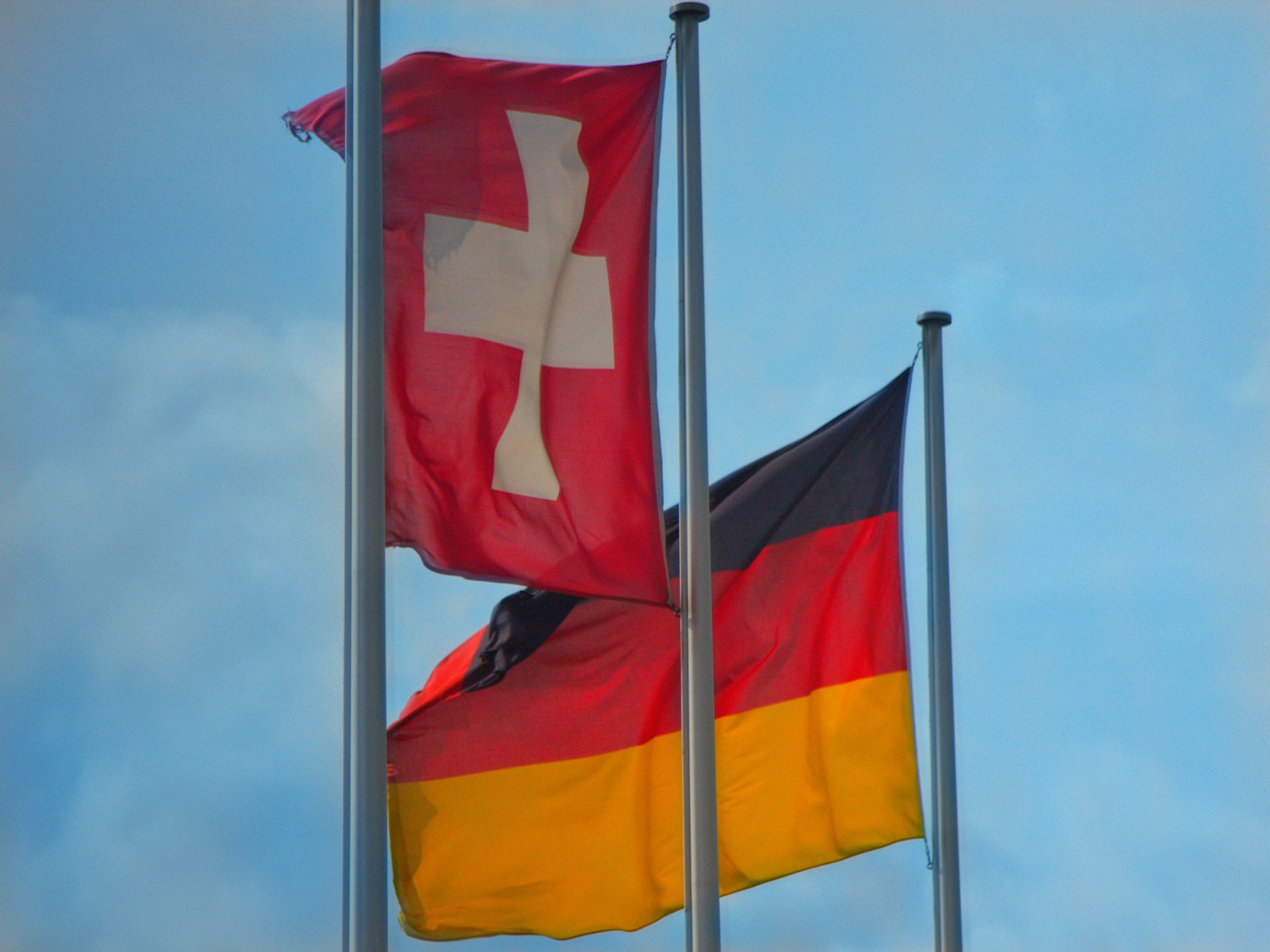
Germany and Switzerland are often compared by students who want serious education in the German-speaking part of Europe but are not sure which system fits them better. At first glance, the countries may look similar from the outside. In practice, they reward very different priorities. Germany is usually the stronger destination for students who want lower tuition pressure and more flexible student-work rules. Switzerland tends to attract students who are prepared for higher living costs in exchange for a very structured higher-education environment and institution-specific opportunities.
On tuition alone, Germany often has the clearer advantage. DAAD says there are generally no tuition fees for bachelor’s programmes and for most master’s programmes at state-funded institutions in Germany, while Switzerland’s tuition system is set per semester by each institution or governing body. swissuniversities’ official fee tables show how varied that can be: for foreign students, examples include CHF 435 per semester at the University of Geneva, CHF 950 at the University of Bern, and CHF 1,025 at the University of Lucerne, while some institutions and categories cost more. At ETH Zurich, some students are assigned a threefold tuition fee of CHF 2,190 per semester, and EPFL says some students pay CHF 2,240 per semester from the fall semester of 2025.
Living costs push the comparison even further apart. Germany’s official guidance puts average student costs at about €990 per month, and the official visa route requires proof of financing of at least €11,904 in 2026. Switzerland is much tougher on daily budget planning. ETH Zurich states plainly that the cost of living in Switzerland is very high, and EPFL advises students to plan for roughly CHF 29,000 per year for living expenses, plus tuition fees. That means Switzerland may still be worth it for the right student, but it is far less forgiving of weak financial planning.
Student work rules also make a noticeable difference. In Germany, official guidance says students from third countries may work up to 140 full days or 280 half-days per year without approval from the Federal Employment Agency, or alternatively up to 20 hours per week during the lecture period, with unrestricted work during semester breaks. In Switzerland, the State Secretariat for Migration says foreign students may generally work only from six months after the start of their course, and then for a maximum of 15 hours per week outside the holidays. Germany therefore tends to offer a more flexible and immediately useful student-work framework.
So which country should you choose in 2026? Choose Germany if your priority is maximizing value, keeping tuition low, and giving yourself more freedom to combine study with part-time work. Choose Switzerland if you are comfortable with a heavier living-cost burden and you are targeting a programme, institution, or academic environment that justifies that cost for you personally. Neither country wins in every category. The smarter question is simply which one matches your finances, your academic plan, and your tolerance for cost pressure.
In the end, Germany usually feels more forgiving. Switzerland usually feels more demanding. But “better” is not about which country sounds stronger in conversation. It is about which country gives you the best chance to arrive, stay stable, and graduate with momentum.
We help you:
We focus on your future… not just admission.
Start Your Journey Today and don’t choose randomly.
Start Your Journey Today and apply now via PKHub.info, contact us directly on WhatsApp, or Explore programmes in Switzerland and Germany.
Let’s build your future step by step.



Please enter your details to connect with a PKHUB Advisor