16 Feb 2026
Engineering Degrees in Germany
Build Your Future
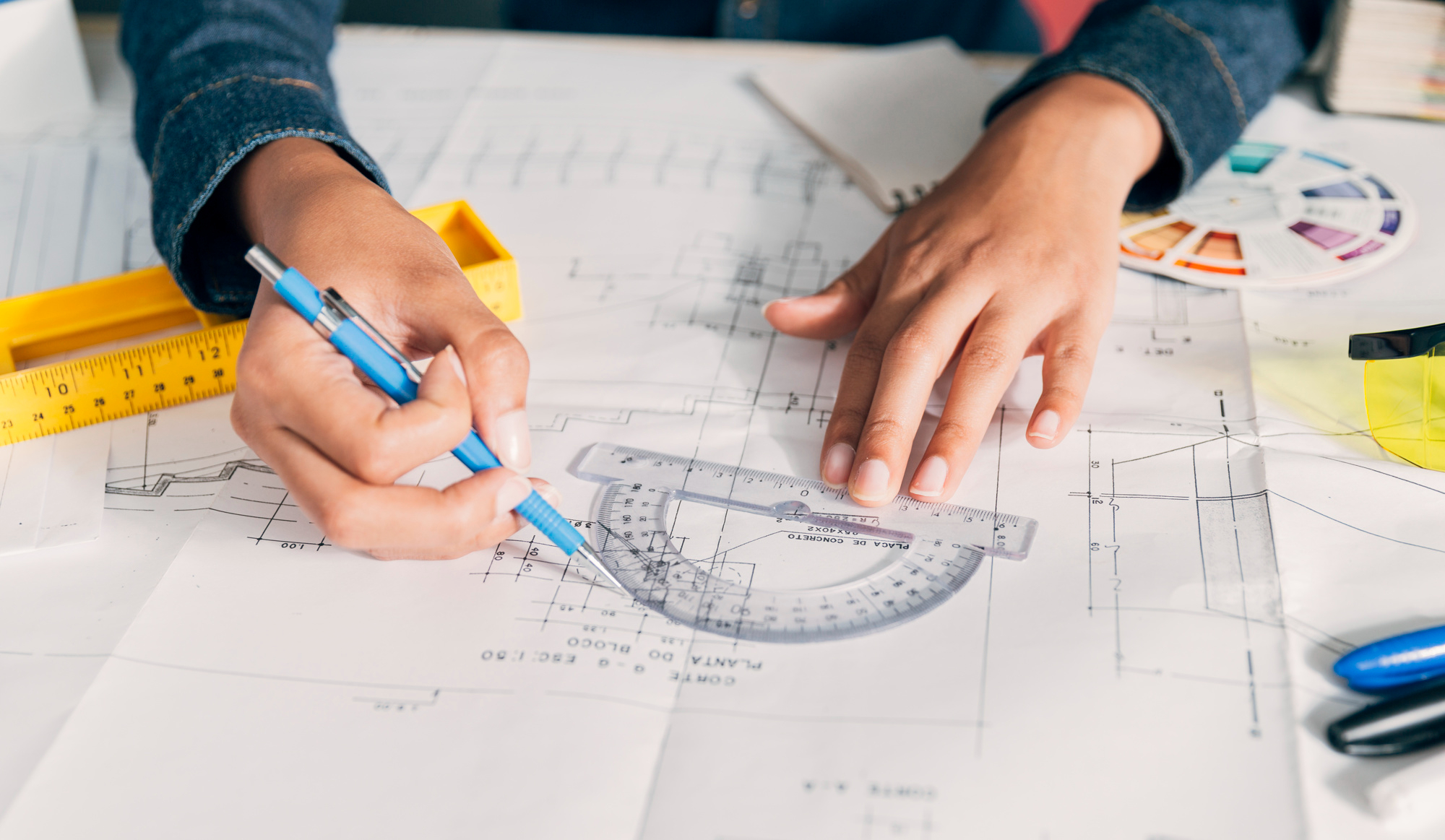
Germany continues to be one of the world’s most attractive destinations for engineering students. Known for its highly respected universities, industry-driven learning, and strong linkages with global engineering firms, Germany offers a gateway to technology, innovation, and excellent career opportunities.
Whether you’re interested in mechanical design, electrical systems, civil projects, or cutting-edge technological fields like AI and robotics, a German engineering degree can position you for success. And with many programs offering English-taught options, studying here has never been more accessible.
Germany’s appeal for engineering students is built on several key advantages:
Here are four highly respected universities in Germany known for their engineering programs:
One of Germany’s premier engineering institutions, TUM is regularly ranked among the top technical universities in the world. It offers a wide range of programs, from mechanical and electrical to civil and aerospace engineering.
Renowned for its research and engineering excellence, RWTH Aachen is especially strong in mechanical and industrial engineering and is part of Germany’s elite TU9 technical university group.
KIT combines a strong research heritage with modern engineering programs, making it a great choice for students interested in energy systems, computing, and interdisciplinary innovation.
Located in Germany’s capital, TU Berlin offers a broad spectrum of engineering fields and benefits from Berlin’s dynamic tech ecosystem and startup community.
German universities offer hundreds of engineering programs across multiple levels (Bachelor’s, Master’s, and PhD). Some key areas include:
Focuses on designing and manufacturing machines, vehicles, and mechanical systems, one of the broadest and most in-demand engineering fields.
Covers circuits, power systems, and electronics, ideal for careers in automation, robotics, and telecommunications.
Involves designing and constructing infrastructure such as buildings, bridges, and transportation networks.
Blends software, hardware, and intelligent systems, perfect for students targeting AI, autonomous systems, and smart technologies.
Focus on optimizing manufacturing, logistics, and sustainable energy systems, key areas in Germany’s industrial future.
Many programs are now offered in English, especially at the Master’s level, making them accessible to international students who don’t speak German.
Admission requirements vary depending on the university and level of study, but most engineering programs typically require:
Engineering graduates in Germany are highly sought after due to the country’s robust industrial economy. Popular career paths include:
Graduates often find roles in global corporations, research institutions, or innovative startups, making Germany a strategic launchpad for an international engineering career.
Globally Recognized Degrees, Highly respected credentials in international job markets.
Cutting-Edge Research & Labs, Opportunities to work on real industry projects.
Affordable Education, Many public universities offer low or no tuition fees.
Multicultural Campus Life, Students from around the world create a diverse learning environment.
Strong Job Market, Germany’s engineering sector is one of the largest in Europe.
Engineering degrees in Germany combine academic excellence, practical exposure, and global career opportunities, making them one of the best choices for international students in 2026.
Whether you aim to design machines, build infrastructure, lead renewable energy solutions, or innovate future technologies, Germany’s engineering programs offer the foundation you need to succeed.
Contact us to start your engineering journey today and unlock a future of innovation, creativity, and global impact.



Please enter your details to connect with a PKHUB Advisor