29 Mar 2026
Cost of Studying in Malaysia in 2026
Tuition, Housing, and Living Expenses
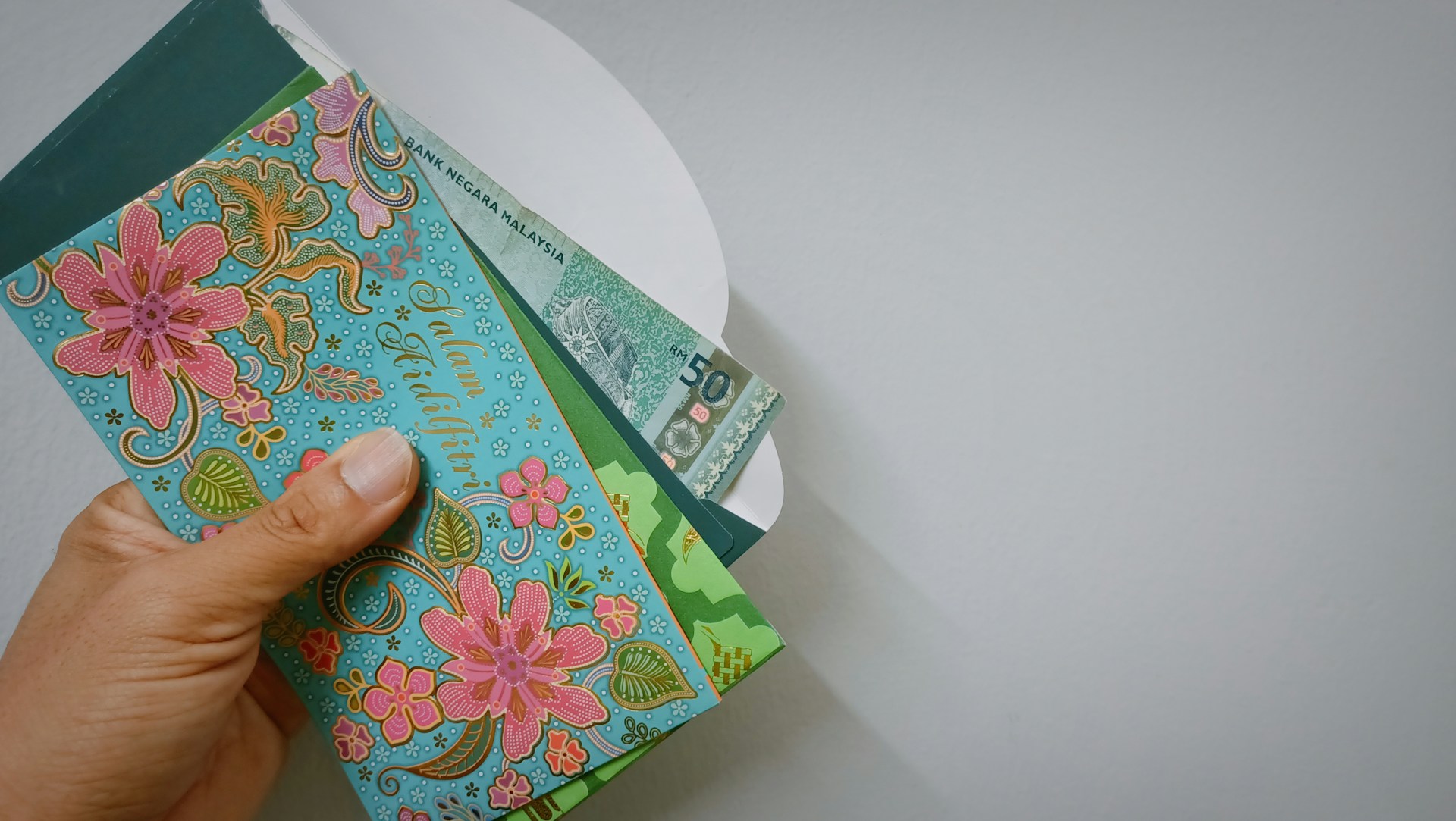
One of the biggest mistakes students make when choosing a study destination is looking only at tuition fees. A country can sound affordable on paper and still become expensive in real life if housing, daily transport, and basic student living are poorly planned. Malaysia stands out in 2026 because affordability is not just a marketing slogan. It is one of the country’s strongest practical advantages for international students. Education Malaysia Global Services says Malaysia’s average cost of living is about $582 per month, and describes the country as attractive for students because costs vary across regions and lifestyles in ways that allow real budget planning.
The smart way to budget for Malaysia is to divide the cost into two parts: tuition and living expenses. Students often focus on tuition first, but daily living is what determines whether the plan remains comfortable after arrival. EMGS’s official budget guide notes that accommodation is a major cost and gives a useful range: on-campus housing is often around $50 to $150 per month, while off-campus accommodation typically runs around $100 to $300 per month, depending on location and preferences. That difference matters because a student who chooses the right city and housing style can reduce pressure on the family budget from the first month.
Tuition in Malaysia can also vary significantly depending on the institution and the field of study, which is why students should avoid vague assumptions like “Malaysia is cheap” or “Malaysia is expensive.” On the official EMGS portal, featured universities show very different starting price points. For example, EMGS lists sample starting costs such as RM 24,850–31,550 for selected programmes at Universiti Putra Malaysia, RM 28,960–40,640 at Swinburne University of Technology Sarawak Campus, and higher tuition bands for some engineering programmes at Universiti Teknologi PETRONAS. That tells us something important: Malaysia is affordable, but affordability depends on the programme, institution type, and field, not only on the country name.
This is why students should build a Malaysia study budget as a full monthly and annual model, not as a single tuition figure. Tuition tells you whether you can enter. Living costs tell you whether you can stay comfortably. Housing, food, transport, mobile service, study materials, and emergency expenses all affect the real experience. EMGS itself advises students to plan carefully for housing, food, and transportation so they can manage money wisely and enjoy their stay. In other words, Malaysia rewards students who budget with structure rather than guesswork.
There is also a strategic advantage in how the Malaysian system works. MYCAS, the Malaysian Central Admissions Service, says it helps international students apply to universities and colleges in Malaysia through a simplified process and is operated by EMGS under the Ministry of Higher Education. That matters because students who compare courses and institutions properly before applying are less likely to overpay, choose the wrong city, or enter a programme that does not match their budget. Cost planning starts before admission, not after it.
So what is the real conclusion? Malaysia in 2026 is not the “cheapest possible” option in every case, and it should not be sold that way. It is something better: a country where many students can still build a realistic, high-quality study plan without the financial pressure found in many other destinations. The students who do best are the ones who compare tuition by programme, choose housing wisely, and treat affordability as a strategy rather than a slogan.
We help you:
We focus on your future… not just admission.
Start Your Journey Today and don’t choose randomly.
Start Your Journey Today and apply now via PKHub.info, contact us directly on WhatsApp, or Explore programmes in Malaysia.
Let’s build your future step by step.



Please enter your details to connect with a PKHUB Advisor