30 Mar 2026
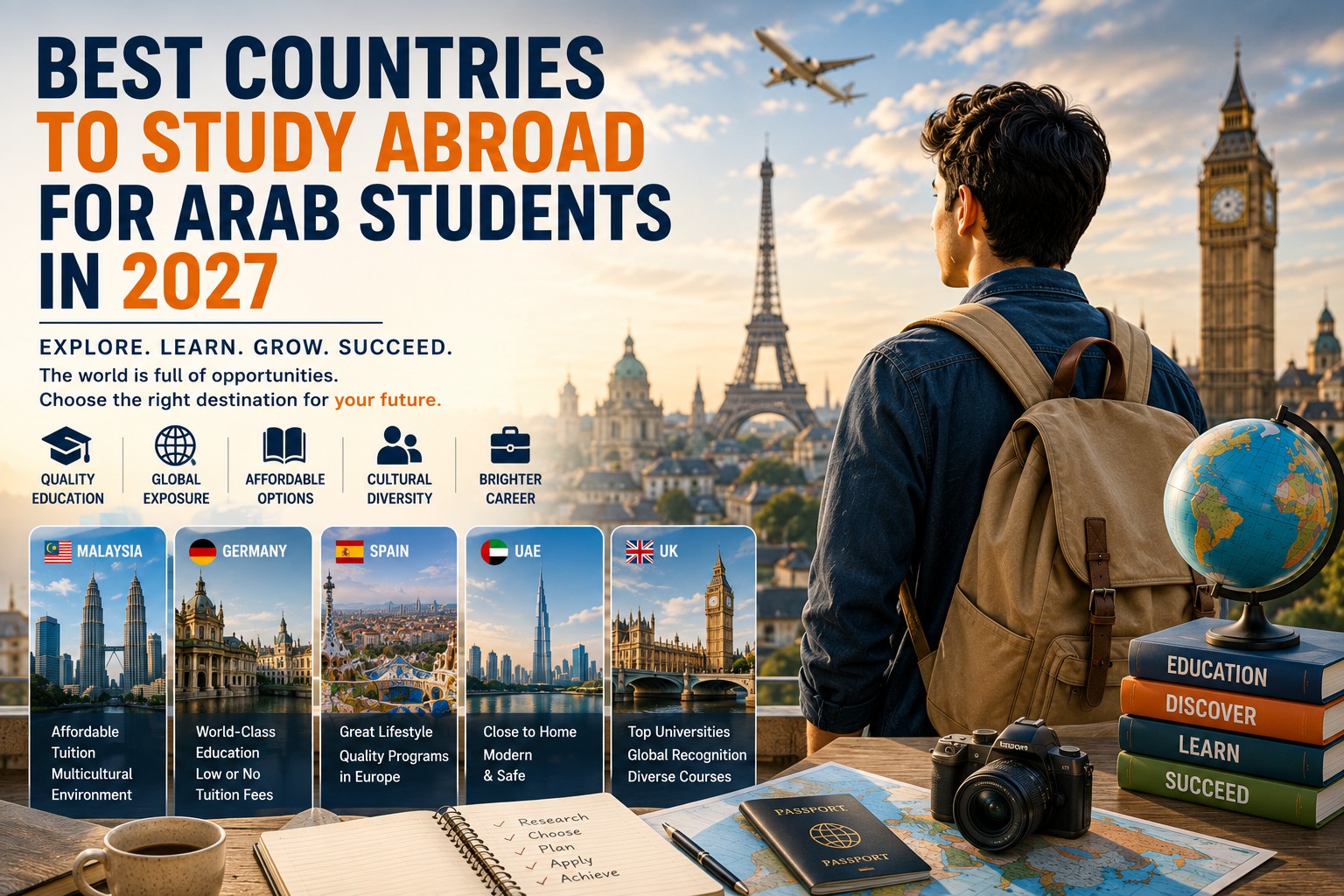
Cheapest Countries to Study Abroad in 2026
For International Students

When students ask about the cheapest countries to study abroad, they are usually asking for more than a price list. They want to know where the full plan still makes sense after tuition, accommodation, transport, food, and everyday living are all added together. That is why the smartest comparison is never about one number alone. A country may look affordable at first and still become difficult if the total monthly reality is not planned properly.
In 2026, among the destinations many international students compare most seriously, Malaysia, Spain, and Germany often come into the conversation as realistic options depending on the student’s goals, budget style, and programme choice. Switzerland, by contrast, is usually seen as a higher-cost destination, especially because of the pressure created by everyday living expenses.
Malaysia remains one of the clearest affordability options for international students. Education Malaysia states that the country’s average cost of living is about $582 per month, and its official budgeting guidance shows that on-campus accommodation can often fall around $50 to $150 per month, while off-campus housing is commonly around $100 to $300 per month. That matters because affordability in Malaysia is not only about university choice. It appears in the daily structure of student life, especially in housing and general monthly living. For students who want a destination where the overall cost can feel more manageable from month to month, Malaysia continues to stand out.
Germany is often attractive for a different reason. It is widely respected as a serious study destination, but students should approach it with realistic budgeting rather than assumptions. DAAD’s official finance guide puts average student expenses at about €990 per month, including around €410 for rent, €198 for food, and about €100 for health-related costs. That makes one thing very clear: Germany can offer strong academic value, but daily life still requires careful planning. Housing, transport, health insurance, and general living expenses all play a major role in whether the student experience remains sustainable over time.
Spain often becomes appealing because it can offer a good balance between European student life and a manageable budget when chosen carefully. The most important cost difference in Spain is usually not only the institution, but the city. According to official European guidance, monthly living costs are often around €1,000 to €1,200 in cities such as Madrid and Barcelona, while smaller cities may be closer to €700 to €900 per month. That means a student’s budget in Spain can change significantly depending on location. A more expensive city may offer a great experience, but a more balanced city may create a much stronger long-term plan.
Then there is Switzerland, which is often admired first and budgeted later. That is usually a mistake. EPFL advises students to plan for about CHF 29,000 per year for living expenses, plus tuition fees, and official Swiss university guidance makes clear that tuition is charged per semester by each institution. In other words, Switzerland can absolutely be worth it for the right student, but it rarely belongs at the top of a “cheapest study abroad” list. The real pressure usually comes from housing, insurance, food, and the overall cost of everyday life.
So which countries look cheapest in 2026? If overall affordability is the main priority, Malaysia often leads because both housing and daily living can remain comparatively manageable. Spain can be a strong option for students who want Europe with more flexibility depending on city choice and total monthly planning. Germany can also be a very smart destination, but only when the student builds a serious budget around real living costs rather than assumptions. Switzerland remains the least budget-friendly of the four for most students, especially once the full cost of daily life is included.
The biggest mistake is to chase the cheapest headline instead of the cheapest real plan. A country becomes affordable only when the full picture works: tuition, rent, visa-related preparation, food, transport, insurance, and the student’s ability to sustain the journey without constant financial pressure. In 2026, the students who choose best are not the ones who search for the lowest number. They are the ones who compare the full system honestly before they apply.
We help you:
We focus on your future… not just admission.
Start Your Journey Today and don’t choose randomly.
Start Your Journey Today and apply now via PKHub.info, contact us directly on WhatsApp.
Let’s build your future step by step.


Please enter your details to connect with a PKHUB Advisor